TL;DR:
Understand the main reasons why flying termites invade homes in Singapore and identify the specific conditions that attract these pests. This guide helps you spot risk factors quickly and take smart steps to prevent termite infestations, protecting your property from hidden damage and costly repairs.
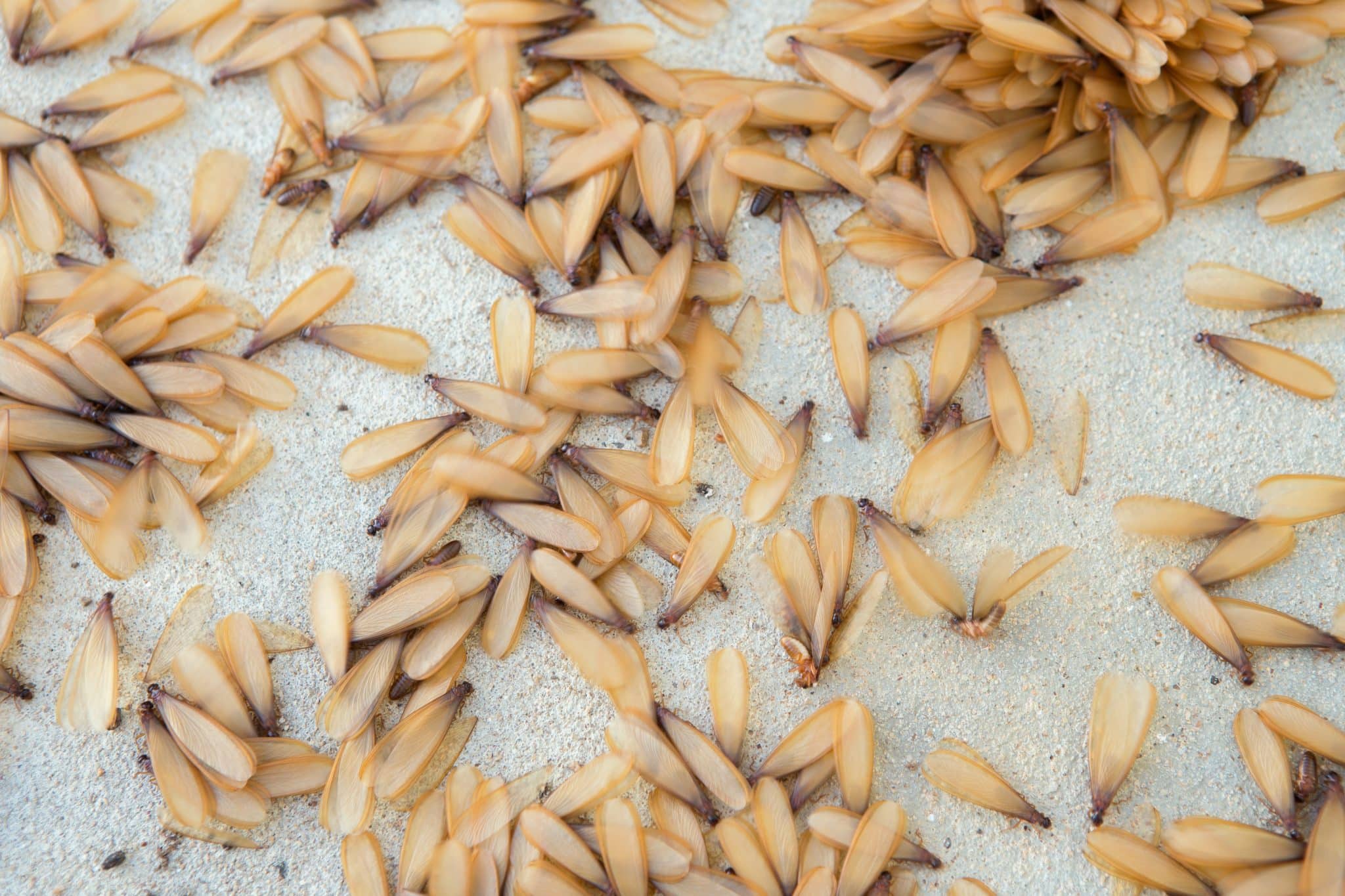
If you live in Singapore, you’ve probably seen scattered wings all over the floor more than once after a humid evening, leaving you puzzled and concerned. These remnants may seem whimsical but often signal an unsettling visitor—flying termites.
Known for their sudden swarms, especially during the rainy season, these pests can quickly turn a peaceful night into a scramble for answers. Why are they here? What do these wings mean? While their presence might seem random, there’s often a deeper reason why they choose to invade specific homes or areas.
Understanding the causes behind these infestations is the first step to protecting your property from potential damage. Let’s explore what attracts flying termites in Singapore and how to address the root of the problem.
Are Flying Termites Common in Singapore?
Flying termites are one of the most common pests in Singapore, especially during the wet season. As the humidity rises, these termites swarm in search of mates to establish new colonies. Typically, they emerge after rainstorms or on warm, damp nights.
While they may seem harmless at first, flying termites are often an indicator of an underlying infestation or a risk of termite infestation. Their presence can significantly damage wooden structures if not addressed promptly.
What Causes Flying Termites Infestation in Singapore?
Flying termites are attracted to specific conditions that make certain areas more favourable for their swarming and nesting. These factors often go unnoticed until it’s too late, making prevention all the more crucial.
Read on to discover the 5 common causes of flying termites in Singapore.
Warm and Humid Weather
Flying termites are attracted to warm and humid weather, which creates ideal conditions for their swarming and reproduction. Unfortunately for us, Singapore’s year-round high humidity and tropical temperatures provide the perfect environment for termite colonies to thrive. This constant climate encourages frequent swarming, especially after rainfall.
Moisture Build-Up
Another common cause of flying termites in Singapore is moisture build-up. Termites thrive in humid environments, and areas with excess moisture, such as leaky pipes and damp or poorly ventilated spaces, provide the perfect conditions for them to swarm and establish colonies. It also attracts termites looking for food and shelter.
Decaying Wood or Organic Matter
Other than seeking warm and humid environments, flying termites are also drawn to decaying wood or organic matter. Fallen tree branches, rotting timber, or even old wooden furniture provide an ideal breeding ground for termites. These decomposing materials emit scents that attract termites, making your home more susceptible to infestation.
Bright Lights at Night
It’s common to see piles of termite wings after rainfall in Singapore, especially under bright lights at night. Termites are naturally drawn to artificial lights, much like many other insects. The illumination attracts them during their swarming season, often leading them to gather in large numbers around well-lit areas, including homes.
Nearby Termite Colonies
Last but not least, if you suddenly have to deal with a swarm of flying termites, there’s probably a nearby termite colony. Termites are social insects, and their colonies are often located within the walls, floors, or foundations of buildings.
When environmental conditions are right, the colony sends out reproductive termites to establish new colonies, leading to the appearance of flying termites.
How to Get Rid of Flying Termites?
While getting rid of flying termites is a hassle, it is much easier than getting rid of other pests in Singapore. There are many ways to get rid of them, which you can even do on your own.
Here are a few ways to get rid of flying termites in your home:
- Pail of Water: If you’re brave enough, hold the pail of water close to the swarm of flying termites. The bright reflection of the water will pull them in and drown them.
- Spray Orange Oil: For a safe and organic way to get rid of flying termites, purchase orange oil and place them into a spray bottle. Then, spray them wherever you suspect an infestation is occurring.
- Turn Off Lights During Rainy Seasons: As flying termites are attracted to bright lights, simply turn off your lights at home during rainy seasons. Opening your doors and windows will make them swarm to outdoor lights instead.
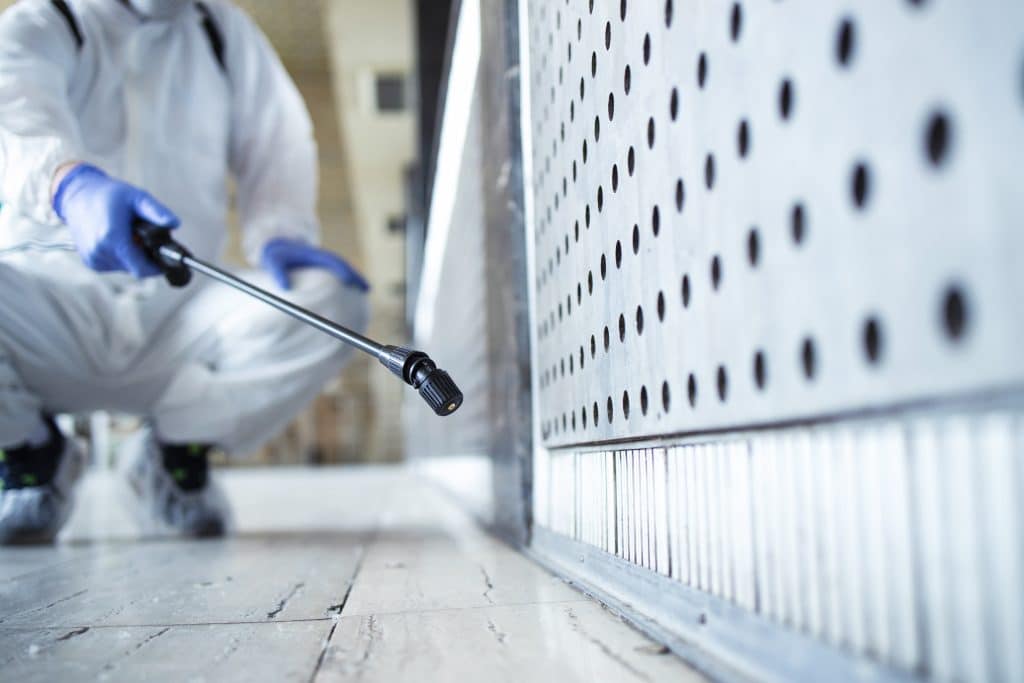
- Seek Professional Help: If flying termites continue to reoccur in your home, it’s time to seek professional termite pest control in Singapore to eliminate the infestation. Professionals will find the root cause and apply targeted treatments to eliminate the termites effectively
A Home Free of Flying Termites Is Within Reach—Contact Greencare today!
With Greencare, you can be assured that your home will be free from swarming flying termites and those pesky wings. Our professionals are experienced enough to take on any flying termite infestation situation that you have, eliminating them effectively with tailored solutions.
If you are suffering from a flying termite infestation in your home, please do not hesitate to contact us at Greencare for professional pest control. We’ll make sure your home and family are safe.